Understanding Canadian Online Gambling Laws
Canadian law allows online gambling, but the legal landscape splits between federal rules and provincial authority. Each province decides which gambling sites can operate, and only a few run their own legal platforms while others permit play on certain regulated sites. Most international casinos accepting Canadians are not officially licensed in the country, putting players at risk of losing deposits without legal recourse. These differences affect real money games, with minimum bets often starting at one dollar and withdrawal limits set by the site or the province. The key factors that shape what is allowed and what is at risk include:
- Provincial licensing – Only sites approved by a provincial regulator are fully legal for residents of that province.
- Offshore sites – Most foreign casinos are not licensed in Canada, so winnings may be unrecoverable if a dispute arises.
- Player prosecution – No province prosecutes individuals for gambling online, but playing on unlicensed sites can void protections.
- Game selection – Provincial sites may offer fewer games and lower jackpots than international operators.
The mix of local and offshore options means both selection and risk depend on where a player lives. Legal protection hinges on using sites with provincial approval.
Can I Legally Play Online Roulette in Canada

Canadian residents can legally access online roulette through sites based outside the country, as no federal law directly bans individuals from playing. Criminal Code provisions target unlicensed operators, not players themselves, so prosecution for accessing games has not occurred. Enforcement efforts focus on businesses offering gambling, not individuals placing bets from home.
Regulation differs across provinces, with some like Quebec and British Columbia operating their own legal gambling platforms. Others, including Ontario, have introduced regulated online casinos that offer roulette and other table games. Sites without provincial licensing operate in a legal grey area but still accept Canadian players without legal consequences for individuals.
Payment providers sometimes restrict transactions to unlicensed platforms, creating practical barriers rather than legal risks. If an operator fails to pay winnings, recourse is limited when the site lacks Canadian regulation. Using platforms regulated by a province increases consumer protection, as local authorities can intervene in disputes.
Which Online Gambling Sites Are Allowed

Legal online gambling sites in Canada must hold a provincial licence. Each province controls which operators can serve its residents. Offshore sites without a Canadian licence operate in a grey area and do not follow local rules.
For example, PlayNow is licensed by British Columbia and Manitoba authorities, while Loto Québec covers Quebec. These platforms enforce age limits and responsible gaming measures required by law. Offshore sites may not offer the same protections or recourse if disputes arise.
Using a provincially licensed site ensures access to local support and secure transactions. Unregulated sites risk slow payouts or loss of funds if problems occur. Legal recourse is limited with offshore operators.
How Do Provincial Laws Differ
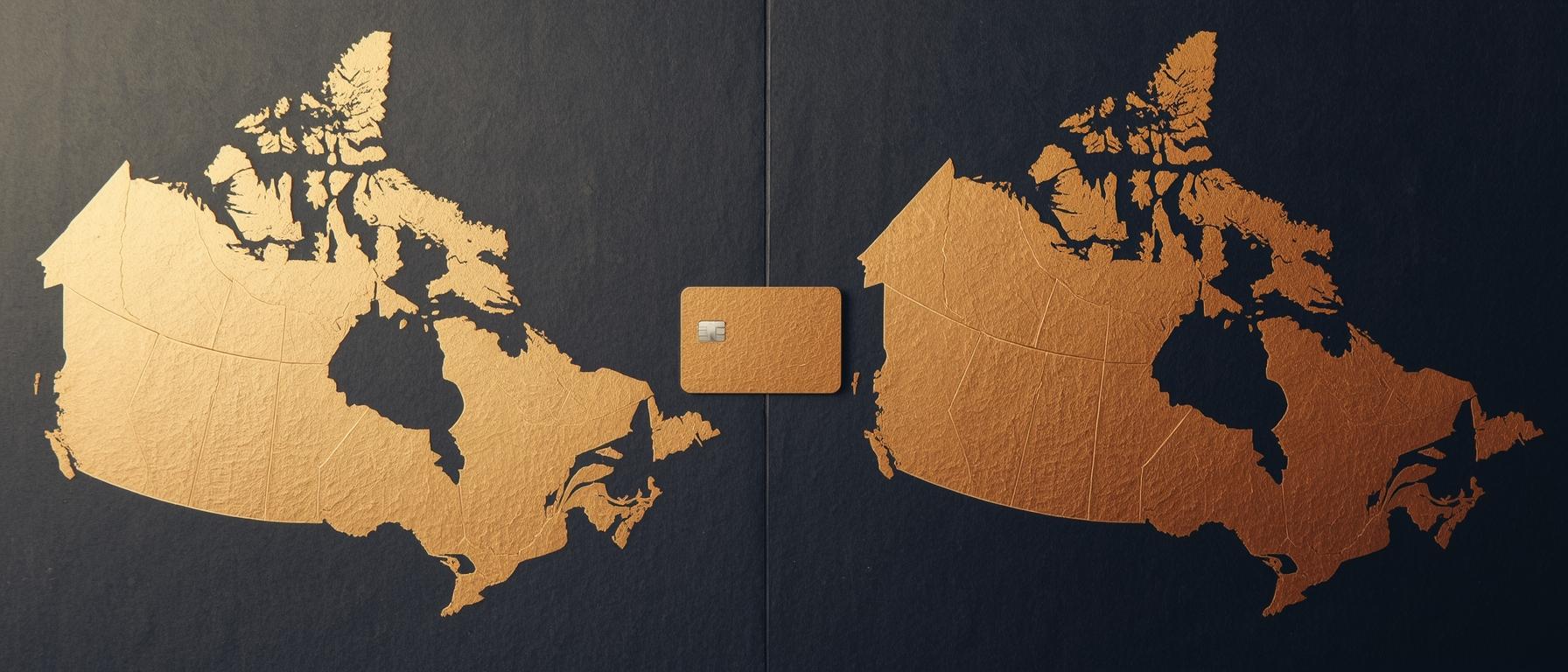
British Columbia, Ontario, and Quebec operate official gambling platforms where residents can legally play online casino games and bet on sports. Other provinces, such as Saskatchewan and Prince Edward Island, have no government online options and rely instead on offshore sites that are not locally regulated. This split has led to uneven player protections and distinct enforcement practices across the country.
Provinces With Their Own Gambling Sites
Provincial governments in Canada operate their own online gambling platforms, but the selection of games and access rules differ widely. Some regions allow residents to play roulette and other casino games directly on their official sites, while others limit offerings or restrict access to only those within provincial borders.
| Province | Platform Name | Casino Games Offered | Roulette Available | Access Restrictions |
|---|---|---|---|---|
| Ontario | Official provincial site | Slots, poker, blackjack, bingo, live dealer tables | Yes | Must be physically located in Ontario |
| British Columbia | Official provincial site | Slots, table games, lottery, sports betting | Yes | Only accessible from inside the province |
| Quebec | Official provincial site | Lottery, poker, casino games, sports betting | Yes | Account must be registered with Quebec address |
| Alberta | Official provincial site | Slots, instant win, virtual table games | No | Only Alberta residents may register |
| Manitoba | Operates via British Columbia's platform | Slots, table games, lottery | Yes | Verification with Manitoba address required |
| Atlantic provinces | Joint official platform | Slots, blackjack, baccarat, sports betting | No | Only residents of participating provinces can access |
Regional differences matter most when players move between provinces or travel frequently. Address verification and geolocation technology routinely block access from outside the home province, making it impossible to play certain games elsewhere.
Provinces Relying on Offshore Sites
Several Canadian provinces do not operate their own legal online gambling services, leaving residents without a local digital platform for casino or sports betting games. This situation has led to a widespread reliance on offshore gambling websites, which are not regulated by Canadian authorities. Differences in how these provinces approach enforcement and what gamblers encounter appear in several key areas:
- Alberta – residents access foreign sites due to no local platform
- Saskatchewan – relies on retail outlets, lacks a digital casino option
- Manitoba – no regulated online casino, only lottery-based games online
- Prince Edward Island – no official online gambling presence, frequent use of offshore portals
- Newfoundland and Labrador – offshore sites fill the gap left by absence of government service
When players use offshore sites, they risk forfeiting recourse in disputes or fraud claims. Consumer protections such as verified payouts and age checks, standard on Canadian-regulated sites, do not extend to international operators.
Provinces with their own gambling platforms offer clearer safeguards and dispute resolution than those that rely on foreign operators. Regional differences shape both what is legally available to players and how sites are monitored.